

- 7 October 2026|
- News|
Original steel windows can be an important part of a period property’s character. Their slim frames, glazing bars and proportions contribute to the architectural and historic interest of a building, so replacing or altering them needs more consideration than a standard window replacement.
If you own a listed property or live in a conservation area, you may need consent before carrying out window works. The requirements depend on the building, the proposed changes and the planning controls that apply locally.
What are Crittall windows and why are they suitable for heritage properties?
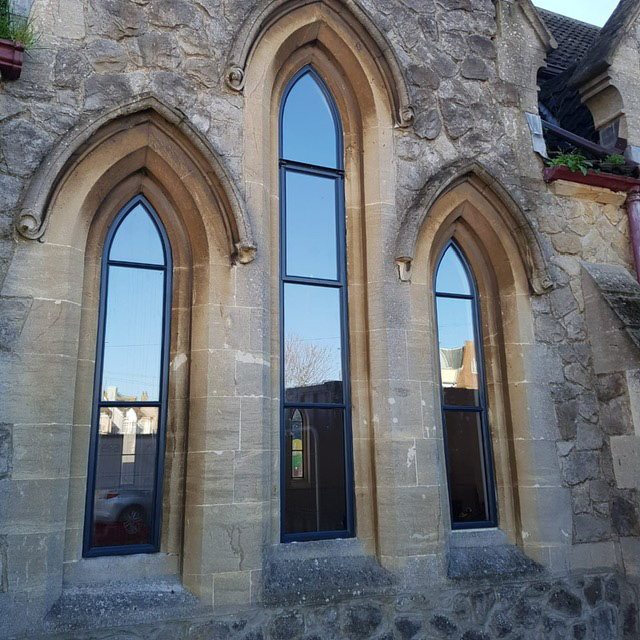
Crittall windows are steel-framed windows known for their slim profiles, narrow sightlines and distinctive glazing bars. They have been used across period, industrial and Art Deco buildings, making them well suited to properties where preserving architectural character is important.
For listed buildings and properties in conservation areas, the proportions and appearance of replacement windows can be particularly important. Crittall windows can be made to bespoke dimensions and specifications, allowing frame profiles, glazing bars, opening configurations and finishes to complement the existing architecture.
Modern Crittall systems can also accommodate contemporary glazing options, helping to improve thermal performance while retaining the slim steel appearance associated with traditional Crittall windows. This can provide a balance between preserving character and meeting the needs of modern living.
However, Crittall windows are not automatically suitable for every heritage property. The proposed design and materials still need to be appropriate for the individual building, and any necessary planning or listed building consent should be established before work begins.
Do listed building windows always need consent?
Not every repair to a listed building needs consent. However, works that alter a listed building in a way that affects its special architectural or historic interest require listed building consent. Replacement windows are likely to fall into this category, so we recommend checking with your local planning authority before work begins.
Listed building consent is separate from planning permission. Depending on your project, you may need one, the other or both. Historic England’s listed building consent guidance explains the process in more detail.
Listing generally covers the whole building, inside and out, unless the list entry states otherwise. It can also include certain objects fixed to the building and structures within its curtilage. We therefore recommend considering window works as part of the property’s wider historic character.
How can you check if your home is listed?
Historic England’s National Heritage List for England allows you to check whether a property is listed. Listed buildings are graded I, II* or II, with Grade II accounting for around 91.7% of listed buildings in England.
The grade is useful to know, but the individual list entry is also important. It can explain the property’s architectural and historic interest and help inform decisions about proposed window works.
Unauthorised works that affect the character of a listed building can be a criminal offence, so we recommend establishing the consent position before ordering new windows or starting alterations.
Understanding listed building consent
Listed building consent is administered by the local planning authority. When assessing an application, the authority must consider the preservation of the building, its setting and features of special architectural or historic interest.
For homeowners, this means the condition and design of the existing windows can be important. When we work on heritage projects, we consider these factors alongside the wider character of the property. The planning authority may also need to understand why work is necessary and how proposed windows would affect the building.
What counts as window works?
Changes that could affect a listed building’s character include:
- Replacing original windows
- Changing single glazing to double glazing
- Altering glazing bar patterns or proportions
- Removing original glass or historic fittings
- Changing frame designs, materials or finishes
Like-for-like maintenance and repairs may not normally require consent, while more substantial alterations can. If you are unsure whether your proposal is classed as repair or alteration, we recommend speaking to your local planning authority before work begins.
What is different in conservation areas?
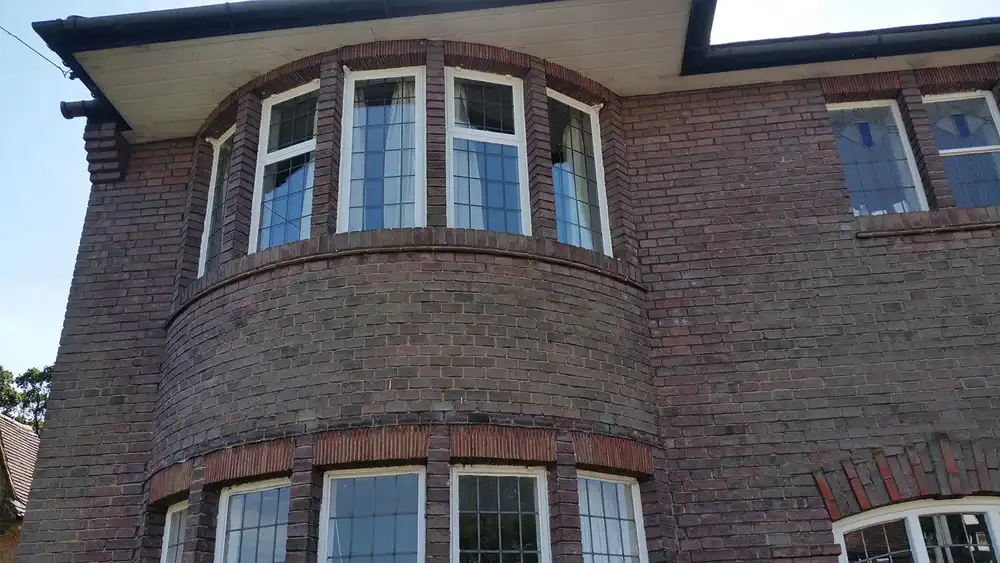
Conservation areas protect the character and appearance of a wider area rather than an individual listed building. Your property does not have to be listed to be affected by additional planning controls.
An important consideration is whether an Article 4 Direction applies. Local authorities can use these directions to remove specific permitted development rights. In some conservation areas, this can include alterations such as replacing windows. Historic England’s guidance on permission for older homes explains how these controls can work.
Rules vary between locations, so we recommend checking your local authority’s website and conservation area appraisal before starting work. If you are unsure, contact the planning department for advice.
Restoration or replacement: which is right?
For historic windows, we recommend considering restoration before full replacement where the existing frames can be successfully repaired. Historic England advises that many old windows are durable and repairable, making retention of significant historic fabric preferable where practical.
When we assess existing steel windows, we can establish whether restoration is realistic. Corrosion, damaged sections, worn seals or layers of paint do not necessarily mean the entire window needs replacing.
Our restoration process
Our restoration and maintenance services can address problems such as rust, corrosion, draughts and worn components while retaining the character of existing steel windows.
Our restoration process can include:
- Assessment of the existing installation
- Removal of corrosion and old coatings
- Repair of damaged steel sections
- Hot-dip galvanising
- Protective powder coating
- Reglazing and reinstallation where required
We also supply genuine Crittall parts and can refurbish existing installations where appropriate.
When does replacement make sense?
Replacement may be appropriate where existing frames cannot be repaired to a suitable standard or where the property’s requirements call for a different solution.
For sensitive properties, we consider proportions, sightlines, glazing bar arrangements, opening configurations and finishes, as these can all influence how replacement windows sit within the building.
We manufacture bespoke steel windows to specific project requirements, including non-standard dimensions and configurations. This can be useful where a standard modern window would not reflect the proportions of the original installation.
Balancing heritage with energy efficiency
Energy efficiency is an important consideration for many homeowners, but historic properties need a measured approach. Historic England recommends considering the building as a whole and avoiding interventions that could damage its significance or the building fabric.
Double glazing or secondary glazing?
Modern glazing can improve thermal performance, but it is not always the most appropriate option for an original historic window.
Secondary glazing can provide an alternative where retaining the original window is important. Historic England notes that it does not generally require listed building consent, although homeowners should check their individual circumstances. Read Historic England’s guidance on modifying historic windows.
We also offer Crittall systems with modern glazing options, including double glazing, allowing us to consider improved thermal performance while retaining slim steel sightlines. The appropriate specification will depend on the property and any requirements set by the local planning authority.
What about Building Regulations?
Listed buildings and properties in conservation areas are not simply exempt from Building Regulations. Where the regulations apply, replacement windows need to meet relevant requirements, although historic buildings can require special consideration.
Historic England explains that work should meet relevant standards where reasonably practicable without unacceptably altering the building’s character or appearance. We therefore recommend early discussion between the homeowner, building control body and local planning authority.
Glazing specification can also affect acoustic performance, daylight and the appearance of historic glass or glazing bars.
How we approach heritage projects
Sensitive window projects need careful consideration from assessment through to installation. Our process includes consultation, site assessment, design and planning, manufacturing, installation and aftercare.
Where planning or heritage considerations apply, we can consider the relevant requirements alongside the property’s architectural character and work with other professionals involved in the project.
We have specialised in listed buildings and conservation area projects since the 1990s. We are an approved Crittall Specialist Partner and are registered with FENSA.
Our heritage portfolio includes the refurbishment of Lord Snowdon’s Aviary at London Zoo, using Crittall Corporate W20 steel windows and bespoke doors. We have also worked on The Comet Hotel, an Art Deco building where the original heritage window section was used with slimline glazing as part of the restoration project.
A checklist before replacing your windows
Before starting work on listed building windows or historic windows in a conservation area, we recommend that you:
- Check the National Heritage List for England
- Find out whether the property is in a conservation area
- Check whether an Article 4 Direction applies
- Review your local conservation area appraisal
- Speak to your local planning authority
- Establish whether consent or planning permission is required
- Have the existing windows professionally assessed
- Consider restoration before full replacement
- Keep records of planning advice and approvals
- Allow time for the consent process
Taking these steps early can help prevent delays and ensure proposed window works are appropriate for the property.
Speak to us about your windows
If you are considering restoring or replacing windows in a listed property or conservation area, we recommend starting by understanding the existing windows and what permissions apply.
We can assess existing steel windows, discuss restoration and replacement options and manufacture bespoke Crittall solutions where required. Our experience with heritage projects can help you consider the practical and design requirements of your property.
Contact us to discuss your project or explore our restoration, manufacturing and installation services.