Steel vs aluminium windows: Which is right for your period property?
- 11 November 2026|
- News|
Choosing between steel and aluminium windows for your period property depends on the look you want to achieve, your budget and how important it is to preserve the building’s original character. Steel is often the preferred choice for traditional homes, thanks to its exceptional strength, slim sightlines and authentic appearance. Aluminium offers greater design flexibility and a lower-maintenance alternative, particularly for modern properties.
At Metwin, we specialise in genuine Crittall steel windows. In this guide, we compare the appearance, durability, energy efficiency and cost of both materials to help you decide which is right for your home.
Aesthetics and design: Why steel has the edge
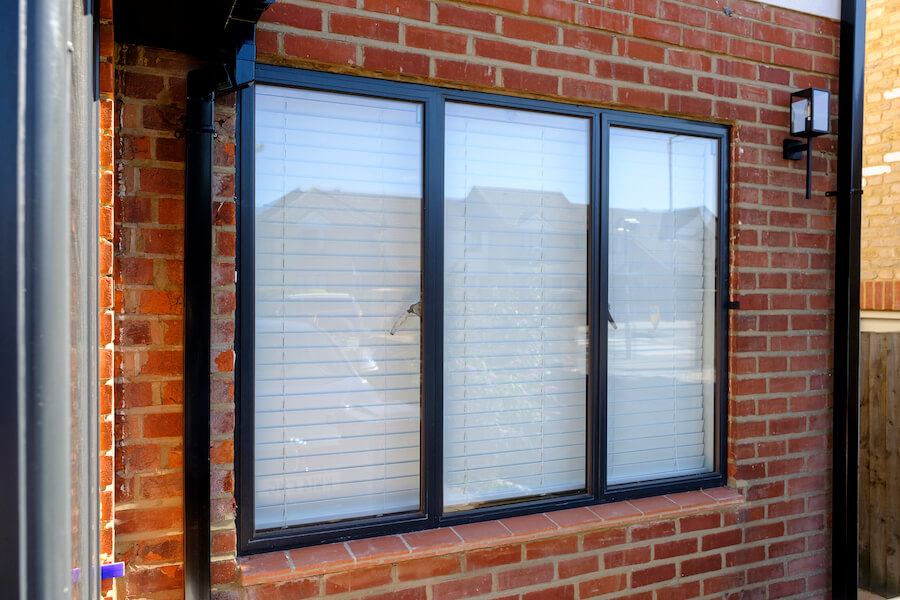
Steel’s strength allows manufacturers to create slim frames and narrow glazing bars without compromising structural integrity. This produces the clean lines associated with traditional steel windows, maximising the glass area for natural light and unobstructed views.
These features make steel particularly suitable for Victorian, Art Deco and 1930s properties. Original steel windows often have distinctive proportions and glazing patterns that can be difficult to replicate accurately with other materials.
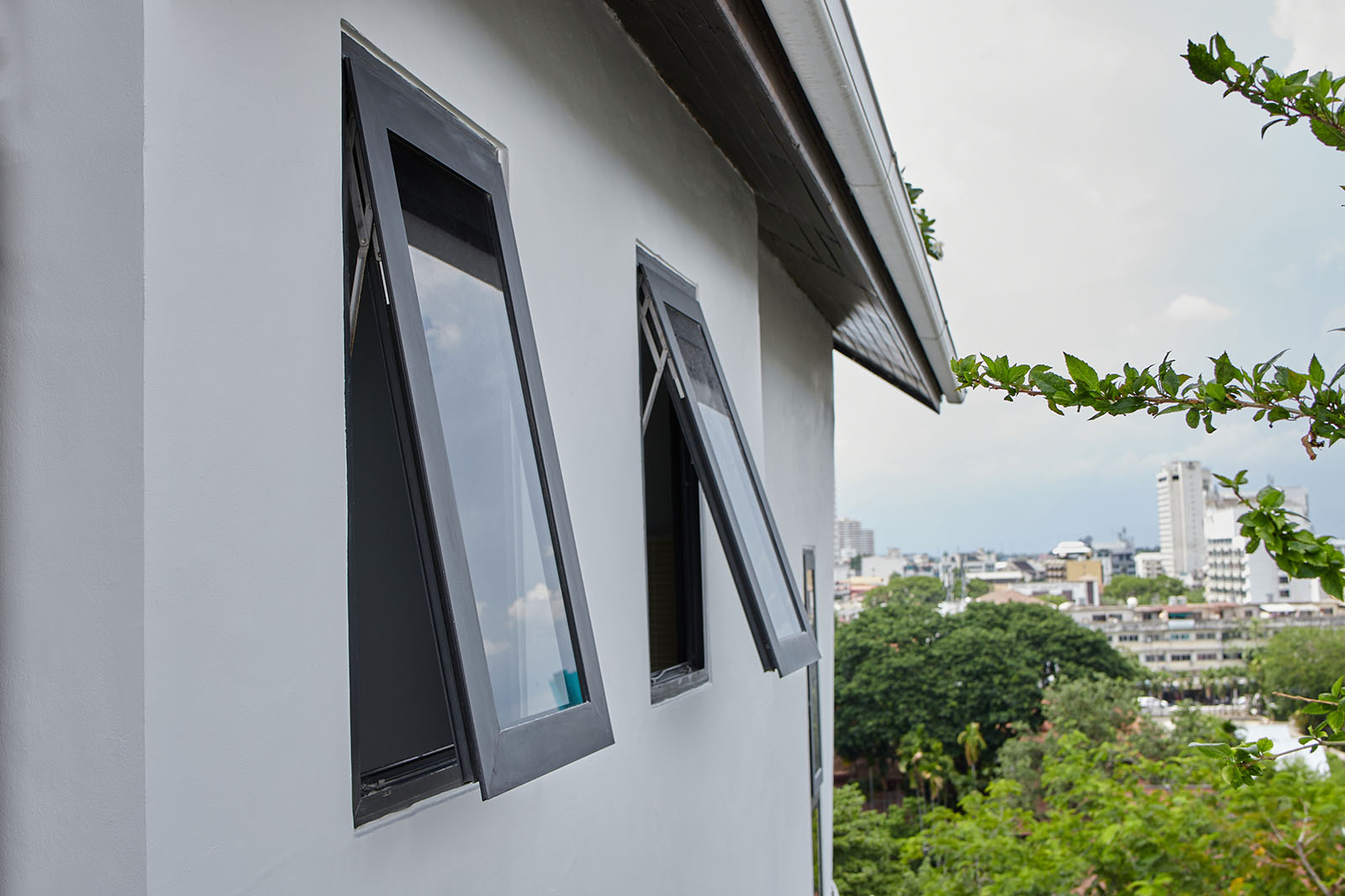
Aluminium frames offer varied colours, finishes and slim profiles. Aluminium systems can recreate the industrial look of steel windows, but their frame sections, proportions and detailing may differ from genuine steel products.
Steel also offers options beyond windows, including steel doors and French doors with large glass panels. Designs can be tailored to suit different openings and architectural requirements.
Durability and maintenance
Both materials can provide long-lasting performance when manufactured and installed correctly, although their maintenance requirements differ.
Steel frames are durable but can corrode if their protective coating becomes damaged. Modern steel windows can use hot-dip galvanising and protective finishes to guard against rust. Regular maintenance, including checking coatings and addressing damage, helps prevent corrosion. Some finishes may also require regular painting.
Aluminium naturally forms an oxide layer that protects it from corrosion. Powder-coated aluminium frames provide additional protection and are generally low maintenance, although regular cleaning and hardware checks remain important.
One disadvantage of steel windows is the maintenance needed if protective finishes are neglected. However, old steel windows should not automatically be replaced. Where frames remain in suitable condition, restoration may be a better option. We offer a Crittall window restoration service to help preserve original steel windows.
Thermal performance and energy efficiency
Thermal efficiency depends on more than the window frame material. Glazing, seals, frame construction and installation all affect heat transfer and overall thermal performance.
Steel and aluminium are both conductive materials. Modern steel windows can use thermally enhanced designs to improve insulation while retaining traditional proportions. Crittall’s W20 TE system combines traditional steel window proportions with improved thermal performance, achieving whole-window U-values as low as 1.4 W/m²K, depending on the specified configuration.
Modern aluminium windows also achieve good thermal efficiency through thermal breaks, which reduce heat transfer through the frames. Double or triple glazing can further improve performance.
Compare declared whole-window U-values and check that the specification meets current building regulations for your project.
Cost and long-term value
Aluminium windows generally have a lower initial cost than comparable bespoke steel designs. Prices depend on the system, dimensions, glazing, finish and installation.
Steel windows usually have a higher cost, particularly where bespoke manufacturing is needed to match original architectural details. Lead times can also vary depending on the specification.
Despite the higher initial cost, steel can be the better choice where authentic detailing and the original material matter. Well-maintained steel windows can also offer exceptional longevity, with historic examples surviving for more than 100 years. Their lifespan depends on factors such as protective coatings, exposure and ongoing maintenance. Consider the property’s character and long-term maintenance requirements alongside the purchase price. Restoring existing frames may also avoid complete replacement.
Why steel is often preferred for heritage properties
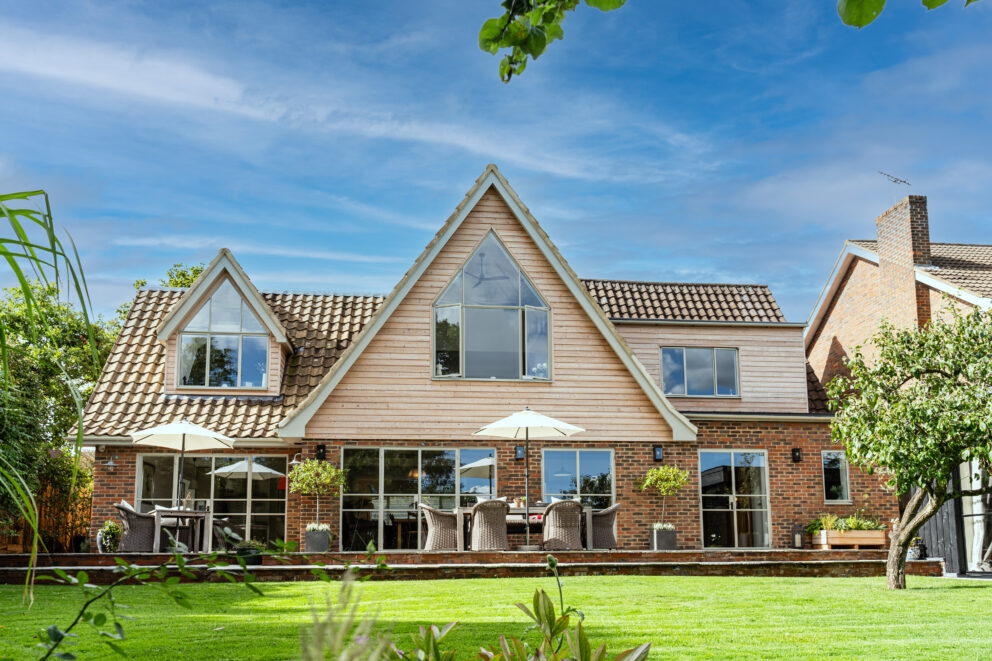
The original material, frame proportions and style of glazing contribute to a period property’s appearance. Where a building was originally fitted with steel windows, genuine steel replacements are generally the more appropriate choice for retaining its original proportions, glazing patterns and architectural character, particularly in heritage and conservation projects.
Listed buildings and properties in a conservation area may have additional requirements. Replacing windows can require planning permission or listed building consent, depending on the property and proposed changes. Check with your local planning authority before starting work.
Historic England generally advises retaining and repairing significant historic windows wherever possible. If replacement is necessary, a design that respects the original features may be more suitable than changing the material or appearance.
When aluminium windows may be the better choice
Aluminium can be an excellent alternative for modern homes, extensions and commercial projects where historic accuracy is less important. Its lightweight construction, design flexibility and range of finishes suit large openings and contemporary home design.
It can also be practical for commercial buildings where low maintenance and cost are priorities. The right choice depends on the building, budget and performance requirements.
Steel vs aluminium windows: How do they compare?
The table summarises the main differences when weighing up the options.
| Consideration | Steel windows | Aluminium windows |
| Appearance | Slim frames, clean lines and authentic traditional detailing | Varied styles and finishes, including steel-look designs |
| Strength | Exceptional strength allows slim profiles and larger glass areas | Strong and lightweight, depending on the system |
| Durability | Long-lasting with suitable protective coatings and maintenance | Corrosion-resistant with durable coated finishes |
| Maintenance | Requires checks of protective coatings and hardware | Generally low maintenance |
| Thermal performance | Depends on the system, glazing and thermal design | Thermal breaks and suitable glazing improve efficiency |
| Initial cost | Usually higher, particularly for bespoke designs | Often more affordable than comparable bespoke steel |
| Heritage suitability | Particularly suitable for replacing original steel windows | May be less appropriate where authentic detailing matters |
Find the right windows for your property
The best decision depends on your property’s character, budget and performance requirements. Steel is often the right choice where authentic detailing matters, while aluminium offers a practical alternative for other projects.
At Metwin, we have specialised in steel windows since 1956. As an approved Crittall Specialist Partner, we supply, install, restore and maintain genuine Crittall products from Crittall Windows Limited for residential and commercial properties.
Explore our current range of Crittall windows or contact our team to discuss your project. We can help you find a suitable solution with expert advice and peace of mind.
Follow Metwin News on Google
Stay up to date with the latest Metwin news, Crittall steel window and door developments, restoration projects and expert advice by adding us to your preferred sources in Google Search.
ADD METWIN TO GOOGLE PREFERRED SOURCES